Where Darra Sits
Darra is a Brisbane City Council suburb fourteen kilometres west of the CBD, sitting on the Ipswich rail line and the Centenary Highway corridor. Once a workers' suburb built around the cement and brickworks industries, it has steadily transformed over the past decade into a family-oriented residential area with notably large lot sizes for its distance from the city.
The suburb is bordered by Oxley, Wacol, Inala and Sumner. Its position on both the Ipswich Motorway and the train line makes it one of the better-connected western suburbs, with a CBD commute averaging 25–30 minutes by rail.
Market Position
Darra's median house price has climbed to around $890K in 2026 — substantially below adjacent suburbs like Sumner ($1.05M) and Jindalee ($1.25M), but with similar lot sizes and amenity access. Both of our 2026 Darra sales sat in the $900K–$1.4M band, with the higher end reflecting a renovated four-bed home on an 800 sqm parcel.
Twelve-month growth has pushed 8.9%, ahead of the Brisbane metro average. Rental yields of approximately 4.2% reflect tight vacancy (around 1.5%) and steady demand from families working in the western industrial corridor and the rail-served CBD commute. The suburb has a younger demographic profile than the inner suburbs, which supports first-home-buyer and family demand.
What Buyers Like
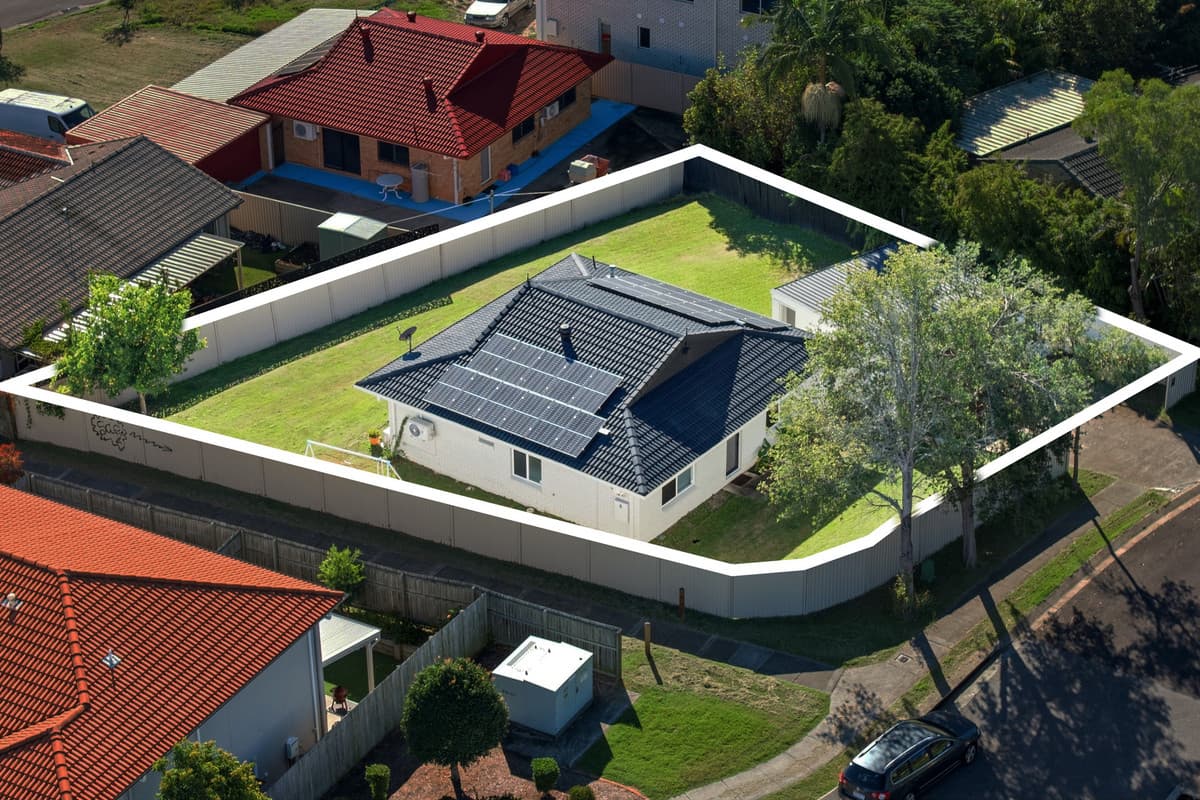
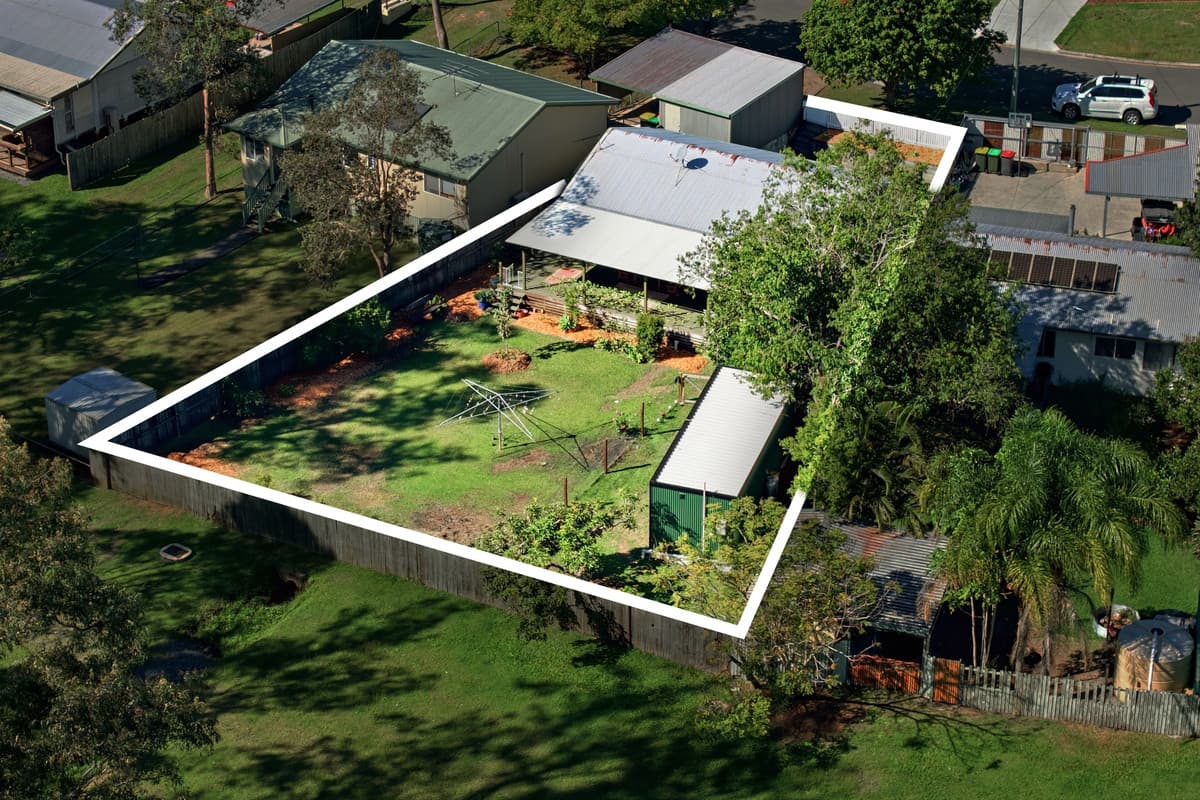
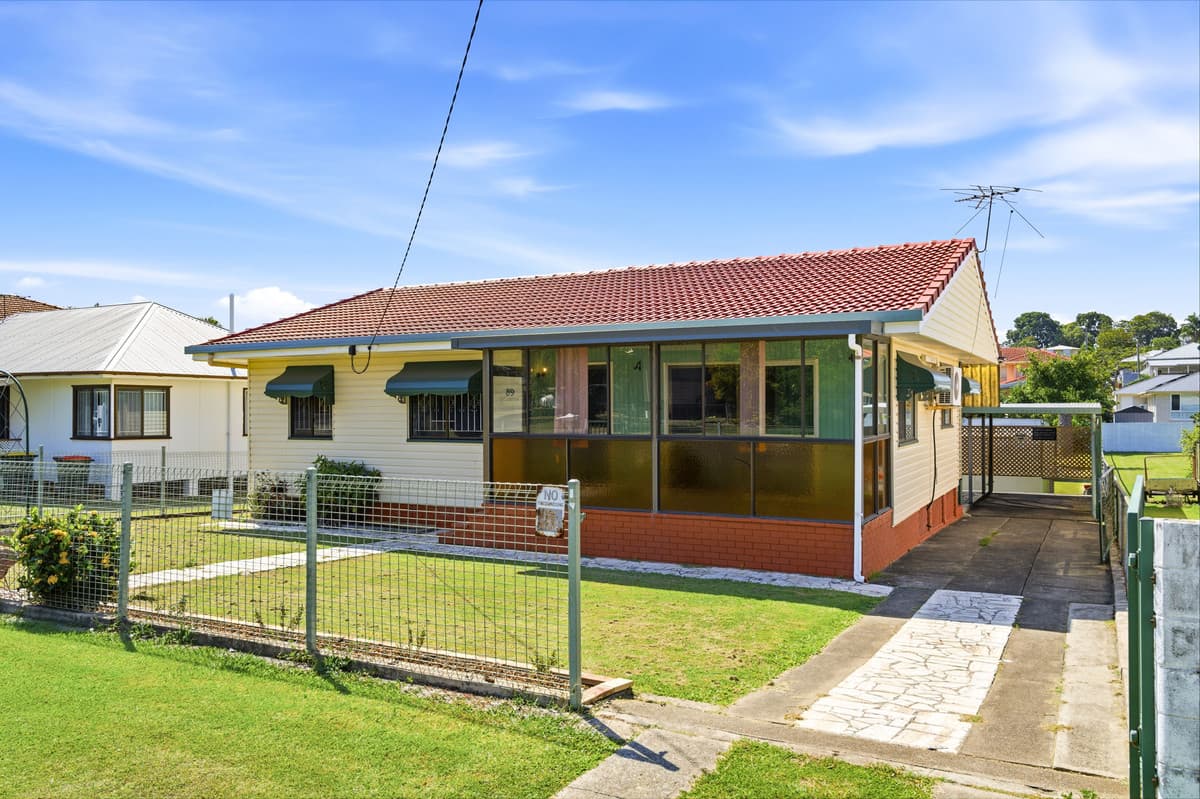
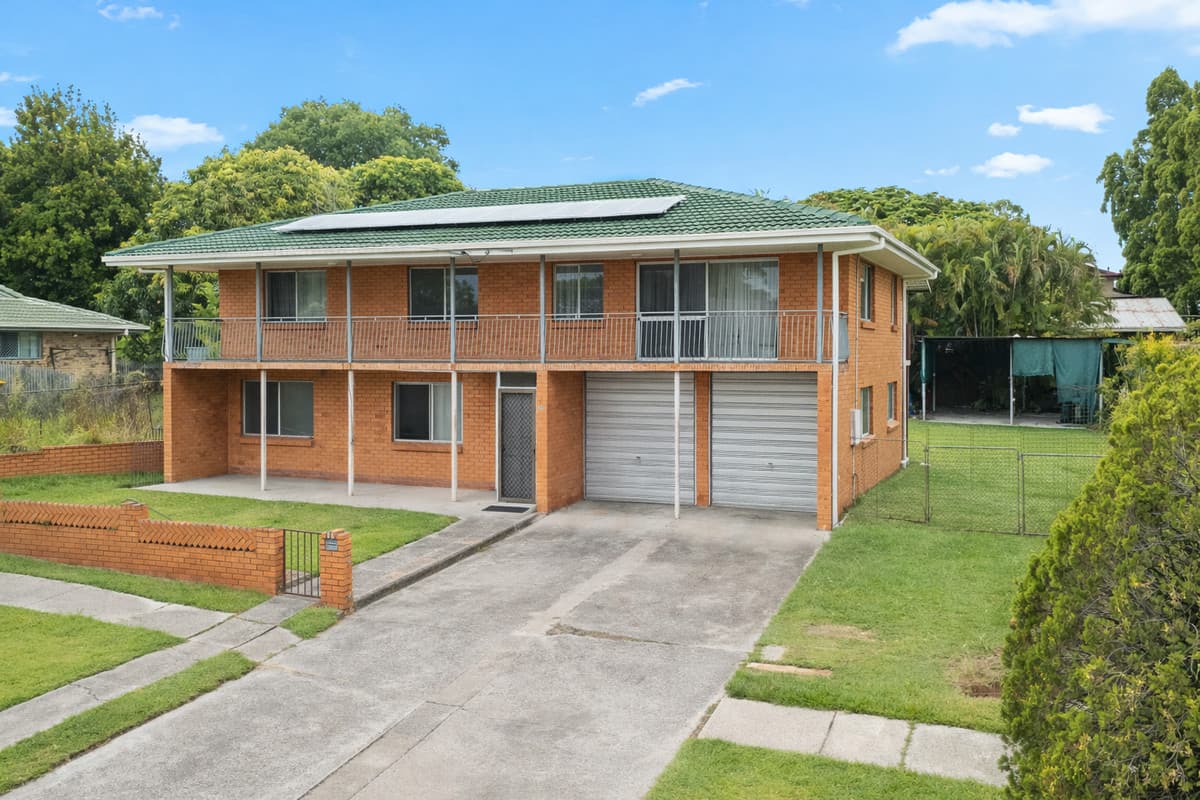
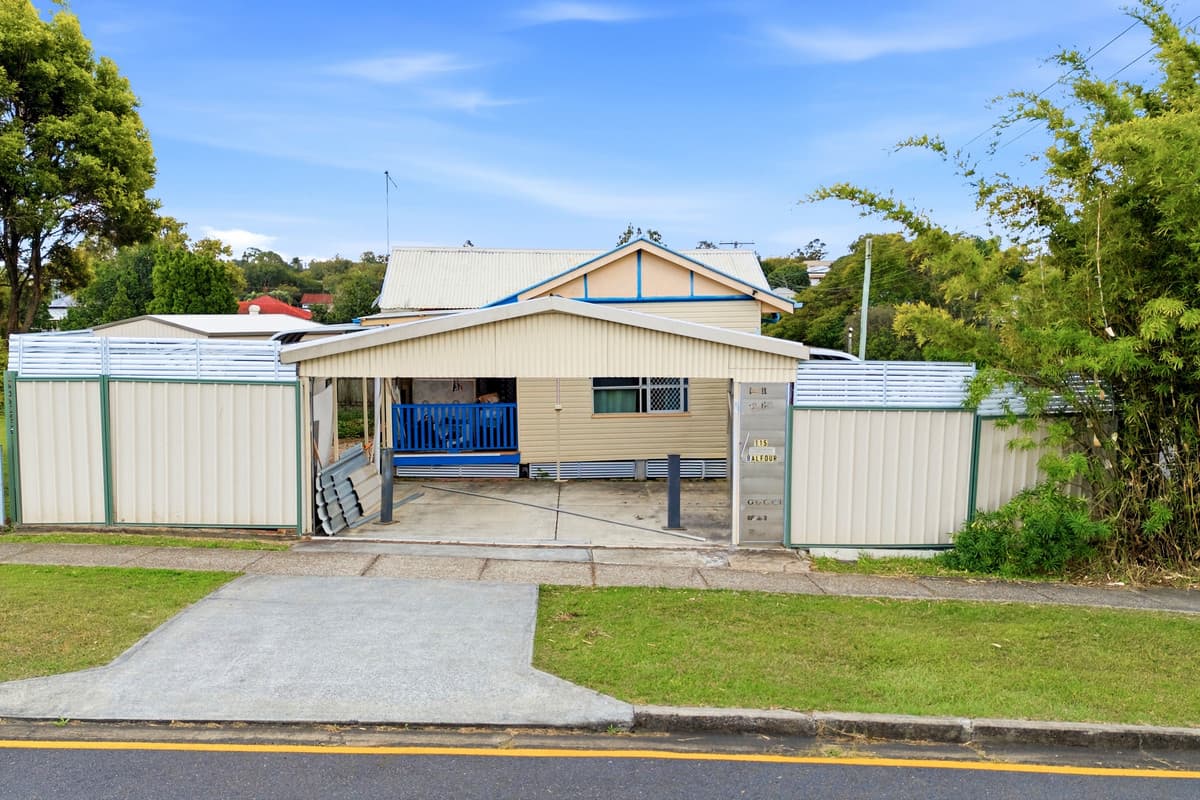
Land. Where most suburbs within 15 kilometres of the Brisbane CBD have lots averaging 400–500 sqm, Darra still routinely offers 600 sqm to over 1,000 sqm blocks at sub-$1M price points. The 89 Balfour Street sale (1,012 sqm) and 16 Cambridge Road sale (809 sqm) both illustrate the depth on offer.
For renovators and developers, the combination of generous lots and improving streetscapes makes Darra one of the more interesting transformation suburbs in Brisbane's west. The Forest Lake-Darra corridor has also seen ongoing investment in road, drainage, and community facilities through Brisbane City Council's western corridor programs.
Outlook for 2026–2027
Darra is well positioned to continue outpacing the broader Brisbane growth rate over the next 18–24 months. The fundamentals — affordable entry, large lots, train access, motorway access, and accelerating infrastructure spend — all support sustained demand. As inner-west suburbs price out more first-home buyers, Darra catches that demographic.